ミンククジラの摂餌量はカペリン漁獲枠を上回る規模―ノルウェーで高まる資源管理論争
Minke Whales Consume More Than the Entire Capelin Quota? – Growing Debate in Norway Over Marine Resource Management
ノルウェー捕鯨船長が警鐘「痩せ細るミンククジラ」― 海洋生態系の変化と資源管理への懸念
ノルウェーの捕鯨船「Reinebuen」の船長、Bjørn Rikard Andersen氏が、近年のミンククジラの状態悪化と海洋生態系の変化について強い懸念を示している。
Andersen氏によれば、2026年のノルウェー捕鯨シーズンは前年を上回るペースで推移しているものの、捕獲されたクジラの多くが例年より痩せているという。
同氏は、現在の海洋資源管理が魚類資源に重点を置く一方で、クジラなど海洋哺乳類の影響を十分に考慮していないと指摘する。
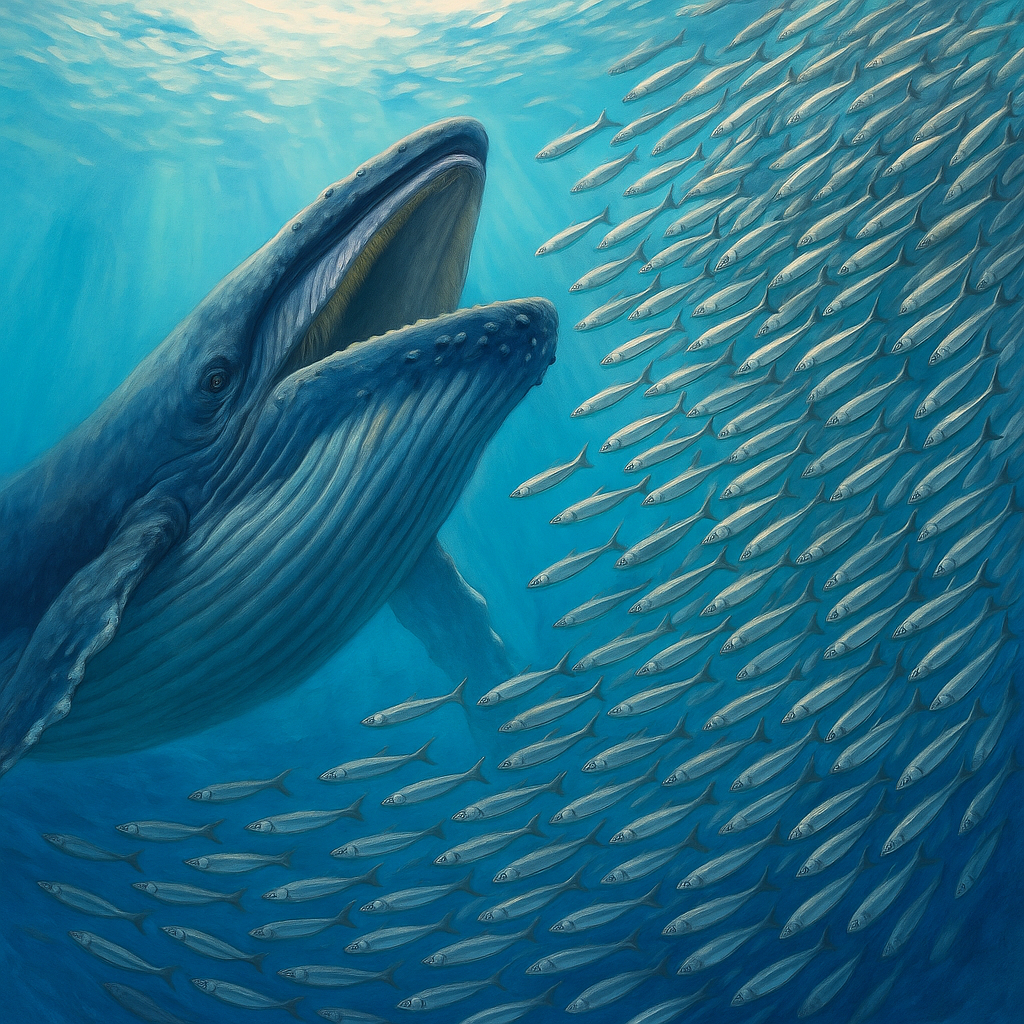
特にミンククジラの摂餌量について、「1頭あたり1日約200kgを消費すると仮定すると、ノルウェー周辺に生息する約15万頭のミンククジラは、1日あたり最大3万トンもの餌を食べている計算になる」と述べた。
比較として、直近のカペリン漁獲枠は約12万トンであり、わずか4日分のミンククジラの摂餌量に相当すると主張している。
また、近年はカペリンなど餌生物の減少が進み、クジラが十分な栄養を確保できなくなっている可能性があるという。その結果、クジラは長時間潜水しながら広範囲を移動して餌を探すようになり、捕獲も以前より難しくなっているとしている。
実際に今シーズン水揚げされたクジラの中には、通常より1頭あたり約200kgも体重が軽い個体が見られたという。
一方、ノルウェー政府は、クジラ資源管理は科学的評価に基づいて行われており、「クジラが商業漁業を脅かしているという科学的根拠はない」との立場を示している。
また、ノルウェー水産大臣Marianne Sivertsen Næss氏は、現在捕獲対象となっているミンククジラ以外の鯨種について、新たな捕獲を認める考えはないと説明している。
ノルウェーの捕鯨業界では、クジラを海洋生態系全体の資源管理に組み込むべきだとの意見が強まっている一方、政府は科学的根拠を重視する姿勢を維持しており、両者の見解には依然として隔たりがある。
出典:
Fiskeribladet(2026年6月8日)
「Roper varsku: – Hvalen er radmager」
https://www.fiskeribladet.no/fiskeri/roper-varsku-hvalen-er-radmager/2-1-2000667
Norwegian Whaling Captain Warns of Emaciated Minke Whales Amid Growing Concerns Over Marine Ecosystem Changes
According to Bjørn Rikard Andersen, skipper of the Norwegian whaling vessel Reinebuen, many of the minke whales harvested during the 2026 season have been noticeably thinner than usual, raising concerns about changes in the marine ecosystem.
Andersen argues that current fisheries management focuses primarily on fish stocks while paying insufficient attention to the impact of marine mammals such as whales. He believes whales should be included more actively in ecosystem-based resource management.
One of his most striking claims concerns the amount of food consumed by minke whales. Andersen estimates that a single minke whale may consume approximately 200 kg of prey per day. With an estimated population of around 150,000 minke whales in Norwegian waters, this would amount to as much as 30,000 metric tons of prey consumed every day.
For comparison, Norway’s most recent capelin quota was approximately 120,000 metric tons. Andersen points out that this is equivalent to only about four days of feeding for the minke whale population.
He also suggests that declining availability of prey species, including capelin, may be affecting whale condition. According to Andersen, whales are spending longer periods underwater and moving over wider areas in search of food, making them more difficult to hunt. Some whales landed this season were reportedly around 200 kg lighter than what is considered normal.
The Norwegian government, however, maintains that whale management is based on scientific assessments and international obligations. Fisheries and Oceans Minister Marianne Sivertsen Næss stated that there is currently no scientific evidence showing that whale populations threaten commercial fisheries. She also confirmed that Norway has no plans to open hunting of whale species other than minke whales.
The discussion highlights an ongoing debate in Norway between parts of the whaling industry, which advocate for a broader ecosystem approach that includes marine mammals, and policymakers, who continue to rely primarily on existing scientific assessments.
Source:
Fiskeribladet (June 8, 2026)
“Roper varsku: – Hvalen er radmager”
https://www.fiskeribladet.no/fiskeri/roper-varsku-hvalen-er-radmager/2-1-2000667
Summary based on a news report. The original article is available to subscribers of Fiskeribladet.