20年間放置された約90万リットルのカペリン魚醤――町を苦しめた悪臭と、科学者が注目する「究極の発酵」
900,000 Liters of Capelin Fish Sauce Abandoned for 20 Years — The Foul Odor That Troubled a Town and the "Ultimate Fermentation" Fascinating Scientists
カナダ・ニューファンドランド・ラブラドール州の小さな町 St. Mary’s で、長年住民を悩ませてきた「魚醤問題」がようやく動き出した。
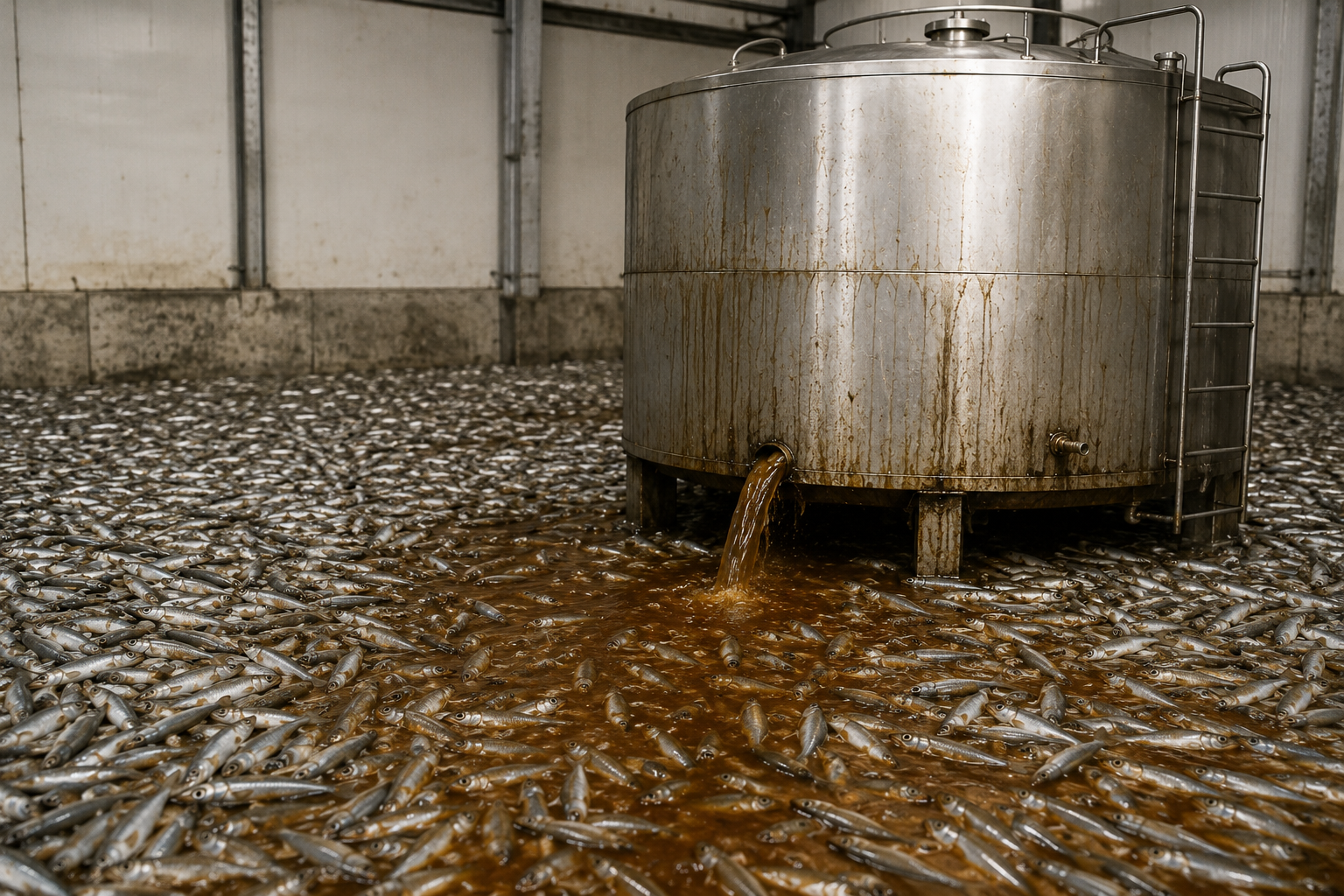
廃業した魚醤工場には、約20年間放置された魚醤が約90万リットル残されており、撤去作業が始まったという。
90万リットルと聞くとピンと来ないかもしれないが、魚醤は塩分を多く含むため水より比重が大きい。一般的な魚醤の比重から換算すると、その重量はおよそ1,000~1,100トンにも達すると考えられる。
この魚醤は、日本向けに卵を利用するため加工されていた雌のカペリンとは異なり、利用価値が低いとされていた雄のカペリンを有効活用しようとして製造が始まった。しかし、事業は途中で頓挫し、大量の魚醤だけが工場内に残されることとなった。
記事では食品科学者 Bryan Quoc Le 氏へのインタビューも掲載されている。
同氏によれば、通常の魚醤は約1年かけて発酵し、魚のタンパク質が分解されてグルタミン酸などのアミノ酸が生成されることで、独特の旨味が生まれるという。
一方、20年間も放置された今回の魚醤では、通常では考えられないほど長期間にわたり化学反応が続いた可能性がある。酵母や耐塩性細菌による反応に加え、メイラード反応などもゆっくり進行し、世界でも前例のない成分組成になっているかもしれないという見解が紹介されていた。
もちろん、町を覆ってきた悪臭の原因も説明されている。
魚のタンパク質が分解されることで生じるアミン類や、脂質の酸化によって生成されるアルデヒド・ケトン類が強烈な臭いを発していると考えられるそうだ。住民の中には、夏場になると家を離れざるを得ない人もいたという。
それでもBryan Quoc Le氏は、「科学者として一度味見してみたい」と真剣に語っているのが印象的だった。
20年という歳月が生み出した魚醤は、単なる廃棄物なのか。それとも、誰も経験したことのない究極の発酵食品なのか。
水産業に携わる者として、とても興味深く読んだ記事だった。
引用元
Defector
“Let Me And A Food Scientist Sample The Abandoned Fish Sauce Terrorizing A Small Canadian Town”
https://defector.com/abandoned-fish-sauce-canada-interview
A long-standing environmental problem in the small town of St. Mary’s, Newfoundland and Labrador, Canada, is finally being addressed.
An abandoned fish sauce factory left behind approximately 900,000 liters of fish sauce, which had remained untouched for more than 20 years. The cleanup operation has now begun.
While 900,000 liters may not sound enormous at first, fish sauce is denser than water because of its high salt content. Based on its typical density, the total weight is estimated to exceed 1,000 metric tons.
The fish sauce was originally produced using male capelin, which had little commercial value after the female fish were processed for their roe, primarily exported to Japan. The project aimed to utilize what would otherwise have become waste. However, the business failed, leaving a massive quantity of fish sauce inside the factory.
The article also features an interview with food scientist Bryan Quoc Le, who explains the science behind fish sauce fermentation.
Under normal conditions, fish sauce ferments for about one year. During this process, proteins are broken down into amino acids, including glutamate, which gives fish sauce its characteristic umami flavor.
In contrast, this abandoned batch has continued aging for more than two decades. According to Dr. Le, extremely long-term fermentation may have allowed unique chemical reactions to occur, including slow Maillard reactions and the continued activity of salt-tolerant microorganisms. The result could be a chemical composition unlike anything ever studied.
The article also explains the source of the strong odor that has troubled local residents for years.
Compounds such as amines, produced from protein breakdown, together with aldehydes and ketones formed through lipid oxidation, are believed to be responsible for the smell. Some residents reportedly left their homes during the summer because the odor became unbearable.
Despite this, Dr. Le remarked that, as a scientist, he would genuinely like to taste the 20-year-old fish sauce. He believes it could contain flavors never before experienced and represents a unique opportunity to study an extraordinary fermentation process.
It raises an intriguing question: Is this simply over 1,000 tons of waste, or could it be one of the most unusual fermented foods ever created?
As someone working in the seafood industry, I found the article both fascinating and thought-provoking.
Source
Defector
“Let Me And A Food Scientist Sample The Abandoned Fish Sauce Terrorizing A Small Canadian Town”
https://defector.com/abandoned-fish-sauce-canada-interview