ロシアВНИРО、バレンツ海のタラ資源は2027年から緩やかに回復へ―漁獲可能量は前年比約10%増加の見通し
Russia's VNIRO Expects Gradual Recovery of Barents Sea Cod Stocks from 2027 – Total Allowable Catch Forecast to Increase by Around 10%
2026年10月15日
出典:fishery.ru(原情報:paluba.media)
ロシア連邦漁業海洋学研究所(ВНИРО)の極地支部は、バレンツ海のタラ資源量が今後、徐々に増加するとの見通しを示した。
同支部の責任者Константин Соколовによると、バレンツ海におけるタラ資源の減少傾向は終息に向かっており、2027年から資源量と総漁獲可能量(TAC)が段階的に増加すると予測している。
『タラはバレンツ海の生態系を支える重要な魚種』
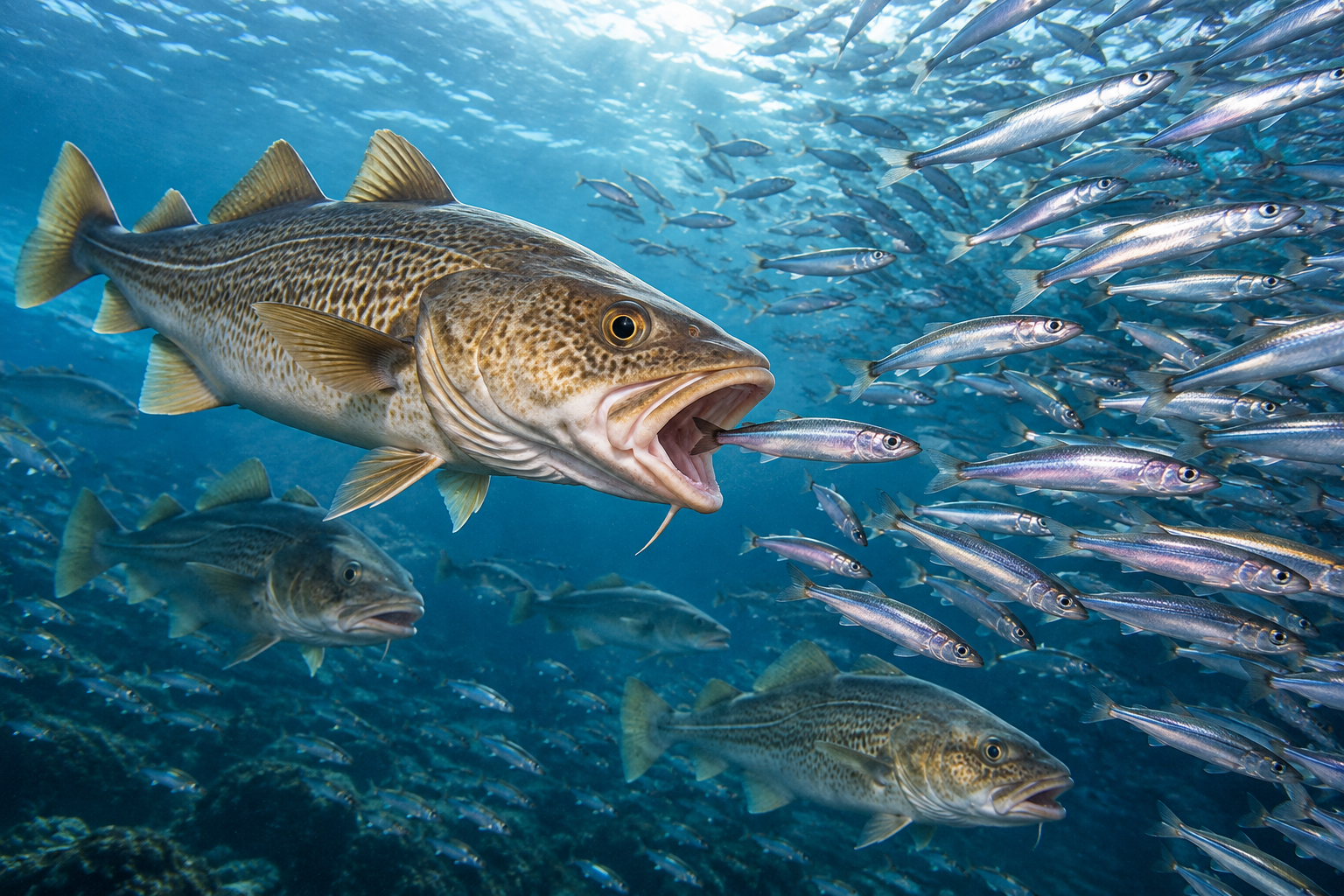
Константин Соколовは、タラが北部漁業海域の生態系を形成する重要な魚種であり、その大きな生物量と多様な生物を捕食する特性によって、バレンツ海の生態系に大きな影響を与えていると説明した。
また、タラはバレンツ海の大陸棚生態系全体を支える主要な柱の一つであると強調した。
『2015年以降、タラの漁獲量は減少傾向』
バレンツ海のタラ漁獲量は、2013年に過去最高水準に近い約100万トンに達した。このうち10万3,000トン以上をАрхангельская областьの漁業企業が漁獲した。
しかし、2015年以降は減少傾向が続いている。Архангельская областьでは、過去10年間でタラの漁獲量が約3分の1に減少し、2025年には2万8,800トンとなった。
一方、同地域の漁業企業による漁獲割当量の消化率は、毎年98~99%に達している。
タラ資源の減少や新たな年級群の加入量低下には、生態系や気候の変化が影響していると考えられている。
それでも、ВНИРО極地支部は今後のタラ資源の動向について楽観的な見方を示している。
『2027年の漁獲可能量は約10%増加、2031年には約40万トンへ』
2026年末までにロシア・ノルウェー合同漁業委員会が開催され、タラを中心とする水産資源の漁獲可能量が決定される予定である。
科学者らは、2027年のタラの総漁獲可能量が2026年を約10%上回り、2031年までには約40万トンに達すると予測している。
『私見:バレンツ海のカペリン漁獲枠発表について』
今回の記事ではタラの漁獲枠について言及されているが、カペリンについても、例年どおりロシア・ノルウェー合同漁業委員会で2027年の漁獲枠が決定されるものと考えられる。
過去の発表日を見ると、2020年から2024年までは10月中旬に集中していたが、2025年は12月10日までずれ込んだ。
2027年のバレンツ海カペリンの漁獲枠についても、昨年と同様に2026年12月中の発表になるのではないかと予想している。
October 15, 2026
Source: fishery.ru (Original source: paluba.media)
The Polar Branch of the Russian Federal Research Institute of Fisheries and Oceanography (VNIRO) expects cod stocks in the Barents Sea to gradually increase in the coming years.
According to Konstantin Sokolov, head of VNIRO’s Polar Branch, the long-term decline in Barents Sea cod stocks may be coming to an end. Scientists expect both the stock biomass and total allowable catch (TAC) to begin recovering gradually from 2027.
『Cod Plays a Key Role in the Barents Sea Ecosystem』
Konstantin Sokolov explained that cod is one of the key species shaping the ecosystem of Russia’s northern fishing region.
Due to its large biomass and its role as a major predator feeding on a wide variety of species, cod has a significant influence on the Barents Sea ecosystem.
He emphasized that cod is one of the main pillars supporting the entire continental shelf ecosystem of the Barents Sea.
『Cod Catches Have Declined Since 2015』
Total cod catches in the Barents Sea reached approximately 1 million tonnes in 2013, close to a historical record. Of this amount, fishing companies in the Arkhangelsk region caught more than 103,000 tonnes.
However, catches have been declining since 2015. In the Arkhangelsk region, cod catches have fallen to nearly one-third of their previous level over the past decade, reaching just 28,800 tonnes in 2025.
Meanwhile, fishing companies in the region continue to utilize approximately 98–99% of their allocated quotas each year.
Changes in the ecosystem and climate are considered major factors behind the decline in cod stocks and the reduced recruitment of younger generations.
Despite these challenges, VNIRO’s Polar Branch remains optimistic about the future of Barents Sea cod stocks.
『2027 Cod TAC Expected to Increase by Around 10%, Potentially Reaching 400,000 Tonnes by 2031』
The Joint Norwegian-Russian Fisheries Commission is expected to meet before the end of 2026 to determine fishing quotas for major marine resources, particularly cod.
Scientists expect the total allowable catch for cod in 2027 to be approximately 10% higher than in 2026, with the TAC potentially reaching around 400,000 tonnes by 2031.
『Personal View: Timing of the Barents Sea Capelin Quota Announcement』
Although the original article focuses on cod, I expect that the 2027 fishing quota for Barents Sea capelin will also be decided through the Joint Norwegian-Russian Fisheries Commission, as in previous years.
Looking at past announcement dates, the quotas were generally announced in mid-October between 2020 and 2024. However, in 2025, the announcement was delayed until December 10.
I personally expect that the 2027 Barents Sea capelin fishing quota may also be announced sometime in December 2026, as was the case last year.
Original article: https://fishery.ru/news?idnews=734427