2027年の北東大西洋サバ漁獲枠交渉が開始、沿岸国間の配分対立とロシアの独自枠が合意の障害に
2027 Northeast Atlantic Mackerel Quota Talks Begin Amid Allocation Disputes and Russia's Unilateral Quotas
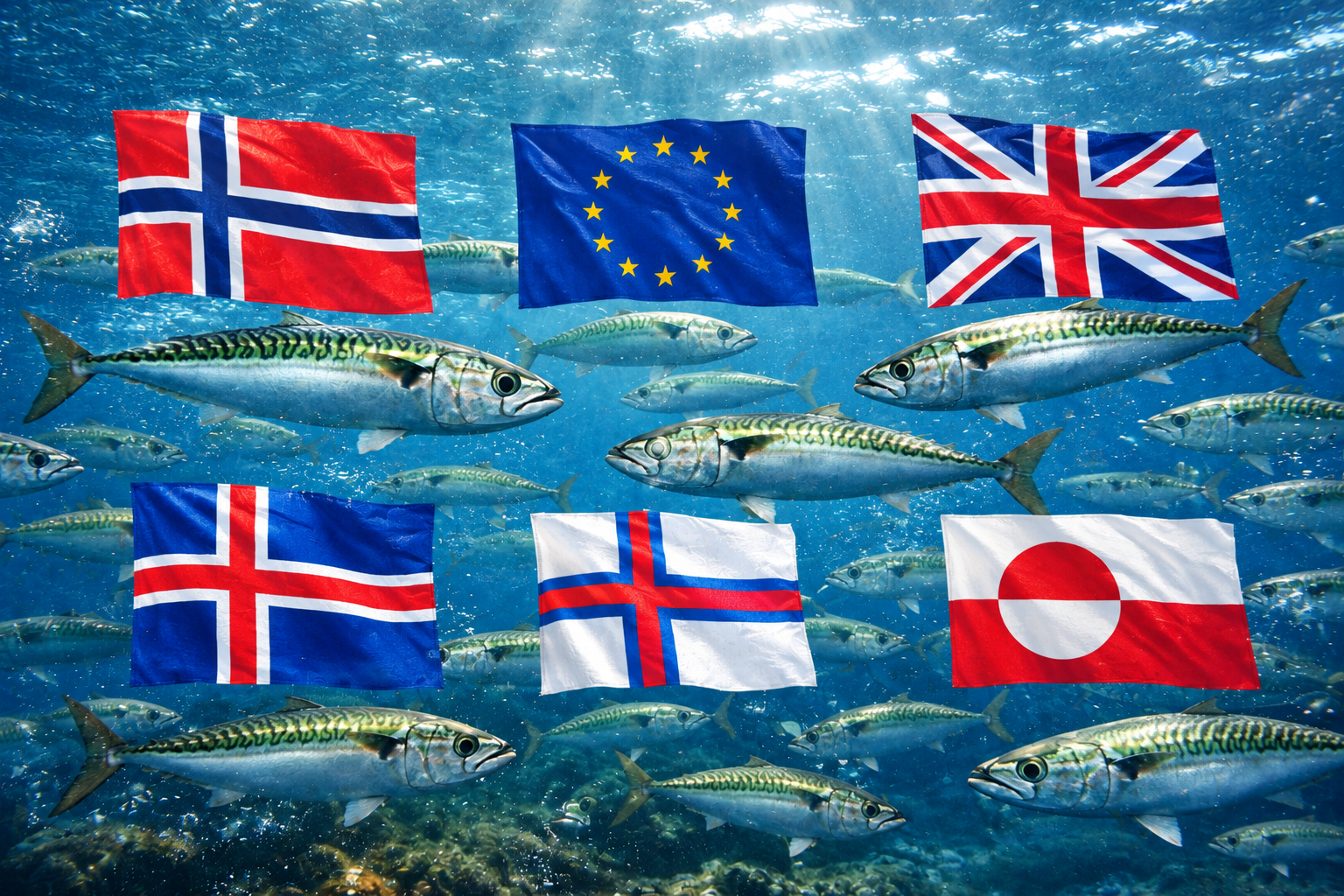
2026年10月20日、ノルウェー、EU、英国、アイスランド、フェロー諸島、グリーンランドの6者による2027年のサバ漁獲枠交渉がLondonで始まった。
ノルウェーの水産業界紙Fiskeribladet(10月20日付)は、各国間の漁獲枠配分を巡る対立が続いており、合意の見通しは依然として不透明であると報じている。
『2027年のICES勧告は前年比2倍以上に増加』
国際海洋探査評議会(ICES)が勧告した2027年の北東大西洋サバ漁獲量は352,938トンとなり、2026年の174,357トンから約102%増加した。
ただし、2026年にはノルウェー、英国、フェロー諸島、アイスランドの4者だけで299,010トンの漁獲量に合意しており、これにEU、グリーンランド、ロシアの漁獲が加わるため、実際の総漁獲量は科学的勧告を大幅に上回る見込みとなっている。
『EUとグリーンランドの配分比率が焦点』
今回の交渉では、TAC(総漁獲可能量)だけでなく、各国への配分比率が大きな争点となっている。
ノルウェーの漁船船主団体Fiskebåtは、EUの配分比率21.85%を約20%に、グリーンランドの6.5%を1%以下に引き下げるべきだと主張している。
特にグリーンランドについては、近年のサバの分布状況を踏まえ、従来の配分比率の妥当性が問題視されている。
『ロシアの独自漁獲枠も資源管理上の課題』
交渉に参加していないロシアは、独自に22%の配分比率を設定しているとされる。
仮に沿岸6者がICESの勧告に沿った漁獲枠に合意したとしても、ロシアの漁獲を含めた総漁獲量が勧告水準を超える可能性がある。
このため、北東大西洋サバの持続可能な資源管理には、沿岸国間の配分合意に加え、ロシアを含む漁獲量全体の管理が重要となる。
『今後のサバ供給と価格への影響』
2027年のICES勧告が前年から大幅に引き上げられたことは、資源評価上の一定の改善を示すものだが、実際の供給量が増加するとは限らない。
今後の交渉で各国が設定する漁獲枠の合計がどの程度になるかによって、2027年の北東大西洋サバの供給見通しは大きく変わる。
また、漁獲枠の配分だけでなく、漁場の形成状況、魚体サイズ、漁獲時期なども日本およびアジア市場向けの製品供給と価格形成に影響する。
今回の交渉が科学的勧告に沿った資源管理へ向かうのか、それとも各国による独自枠の設定が続くのか、今後の動向が注目される。
出典:Fiskeribladet、2026年10月20日
原記事: Norge om makrellforhandlingene: – Ingen løsning i sikte
※本記事はFiskeribladetの報道を参考に、公開された数値・事実関係を整理し、独自の市場分析を加えたもの。原記事の翻訳・転載ではない。
On October 20, 2026, negotiations on the 2027 mackerel fishing quotas began in London, involving six coastal parties: Norway, the European Union (EU), the United Kingdom, Iceland, the Faroe Islands, and Greenland.
According to a report published by the Norwegian fisheries newspaper Fiskeribladet on October 20, disagreements over quota allocations remain unresolved, leaving the prospects for a comprehensive agreement uncertain.
『ICES Recommends More Than Double the 2026 Catch Limit』
The International Council for the Exploration of the Sea (ICES) has recommended a total catch limit of 352,938 metric tons for Northeast Atlantic mackerel in 2027, representing an increase of approximately 102% from its 2026 recommendation of 174,357 metric tons.
However, in 2026, Norway, the United Kingdom, the Faroe Islands, and Iceland agreed on a combined catch limit of 299,010 metric tons, substantially exceeding the scientific recommendation.
With additional catches by the EU, Greenland, and Russia, the actual total catch in 2026 is expected to significantly exceed the ICES recommendation.
『Quota Allocations for the EU and Greenland Remain Key Issues』
One of the main challenges in the negotiations is not only the Total Allowable Catch (TAC), but also how fishing opportunities should be distributed among the coastal parties.
Fiskebåt, the Norwegian fishing vessel owners’ organization, has argued that the EU’s allocation should be reduced from 21.85% to approximately 20%, while Greenland’s share should be lowered from 6.5% to no more than 1%.
In particular, questions have been raised about whether Greenland’s existing allocation remains justified, given the distribution of mackerel stocks in recent years.
『Russia’s Unilateral Quotas Complicate Fisheries Management』
Russia, which is not participating in the current coastal-state negotiations, has reportedly established its own quota based on a 22% share.
Even if the six negotiating parties reach an agreement consistent with the ICES recommendation, total catches could still exceed the scientifically recommended level once Russian catches are included.
Effective management of Northeast Atlantic mackerel therefore requires not only an agreement on quota allocations among the coastal parties, but also broader coordination to control overall fishing pressure, including catches by Russia.
『Potential Implications for Mackerel Supply and Prices』
Although the substantial increase in the ICES recommendation for 2027 indicates some improvement in the scientific stock assessment, it does not necessarily mean that actual mackerel supplies will increase.
The outlook for Northeast Atlantic mackerel supply in 2027 will depend heavily on the combined fishing quotas ultimately established by the respective parties.
In addition to quota allocations, fishing-ground conditions, fish sizes, and the timing of catches will continue to influence product availability and price formation in Japan and other Asian markets.
The key question is whether the current negotiations will lead to fisheries management more closely aligned with scientific advice, or whether unilateral quota-setting by individual parties will continue.
The outcome will be an important factor in assessing the supply outlook for Northeast Atlantic mackerel in 2027.
Source: Fiskeribladet, October 20, 2026
Original article: Norge om makrellforhandlingene: – Ingen løsning i sikte
This article is an independent summary and market commentary based on reported facts and publicly available fisheries data. It is not a translation or reproduction of the original Fiskeribladet article.