2027年の北東大西洋サバ漁獲枠、沿岸6者が352,938トンで合意―資源回復の兆しも国別配分は未決着
Northeast Atlantic Mackerel: Six Coastal Parties Agree on 2027 TAC of 352,938 Tonnes — Signs of Stock Recovery, but Quota Allocation Remains Unresolved
2026年10月23日
『沿岸6者がICES勧告に沿った総漁獲枠で合意』
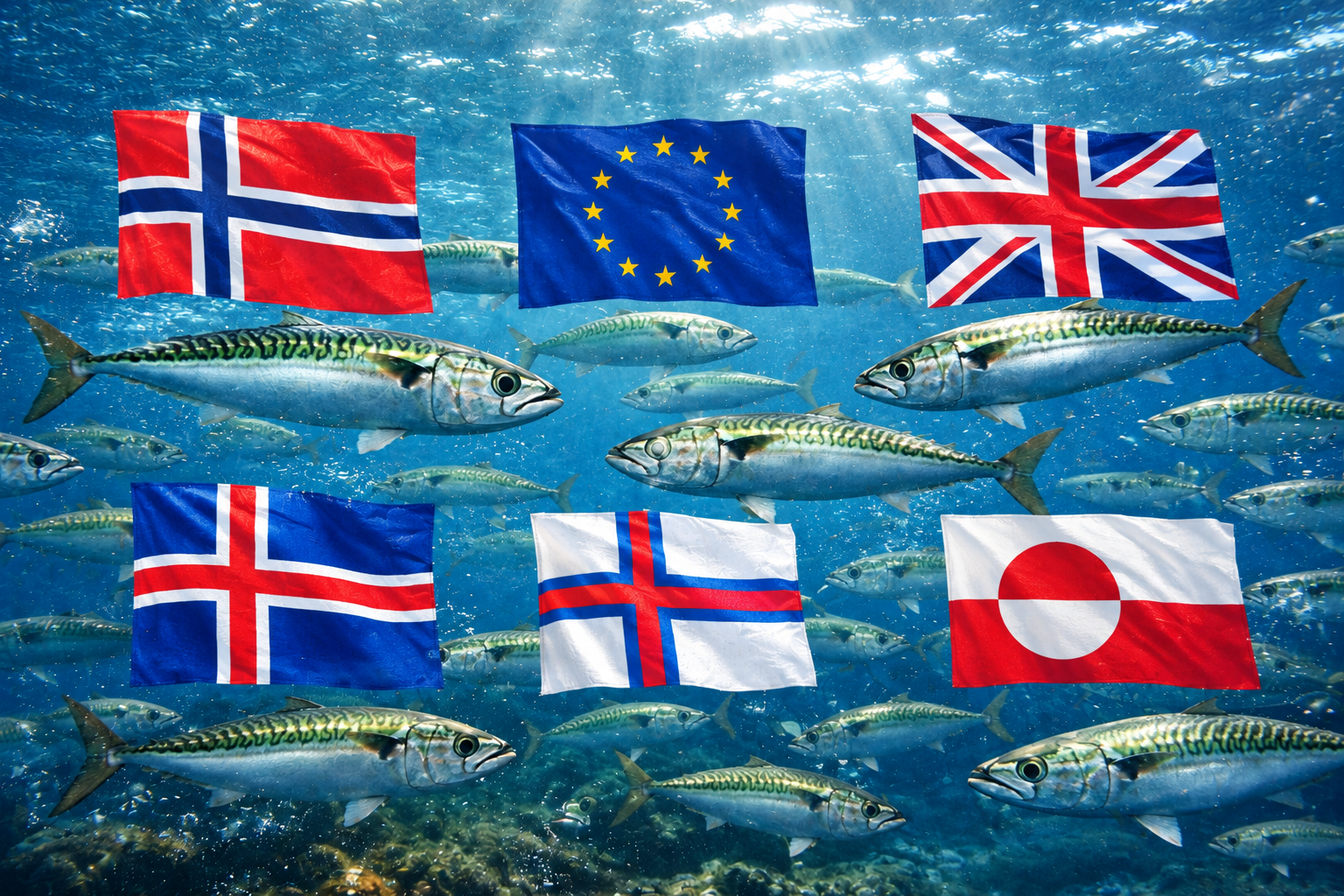
ノルウェー政府は10月22日、ノルウェー、EU、フェロー諸島、グリーンランド、アイスランド、英国の沿岸6者が、2027年の北東大西洋サバ総漁獲可能量(TAC)を352,938トンとすることで合意したと発表した。
各代表団は10月20~22日にLondonで協議し、国際海洋探査協議会(ICES)の科学的勧告に沿った総漁獲枠の設定で一致した。
今回のTACは、2026年に沿岸4者が合意した299,010トンと比較して53,928トンの増加となる。一方、2026年のICES勧告174,357トンとの比較では約102.4%の増加となる。
昨年は6者すべてによる合意が成立せず、ノルウェー、フェロー諸島、英国、アイスランドの4者のみが総漁獲枠について合意していた。そのため、今回はEUとグリーンランドを含む6者が一致したことが大きな前進となった。
『漁獲量の減少と新規加入量の増加が資源改善に寄与』
ノルウェー政府によれば、サバ資源の改善は、2026年の漁獲量が大幅に減少したことに加え、新規加入量が予想を上回って増加したことによるものだ。
漁業・海洋大臣Marianne Sivertsen Næssは、「われわれはサバ資源の状態を懸念してきた。そのため、現在、状況が好転しつつあることは喜ばしい」と述べた。
一方、資源状況は依然として深刻であり、継続的な監視が必要だと強調している。資源を持続可能な水準まで回復させることが、漁業の長期的な安定性と収益性の向上につながるとの認識を示した。
『過去2年間の総漁獲量は80万~90万トン規模』
今回公表された正式合意文書「Agreed Record of Fisheries Consultations」には、2024~2026年の国・地域別サバ漁獲実績が掲載されている。
| 国・地域 | 2024年 | 2025年 | 2026年暫定 |
|---|---|---|---|
| EU | 157,349 | 123,002 | 28,733 |
| フェロー諸島 | 72,163 | 63,932 | 26,150 |
| グリーンランド | 15,751 | 36,561 | 19,109 |
| アイスランド | 87,823 | 127,035 | 30,394 |
| ノルウェー | 250,186 | 156,244 | 79,705 |
| 英国 | 233,538 | 186,421 | 36,306 |
| ロシア | 84,525 | 115,927 | 71,245 |
| 合計 | 901,385 | 809,122 | 291,642 |
単位:トン。2026年は報告時点までの暫定数量であり、年間確定実績ではない。
出典:Agreed Record of Fisheries Consultations, October 2026, Annex I
2024年の総漁獲量は約90万トン、2025年は約81万トンに達していた。2026年の暫定漁獲量は約29万トンとなっているが、集計期間が異なるため、過去2年間の年間実績と単純に比較することはできない。
それでも、近年の高い漁獲水準から漁獲圧を引き下げ、サバ資源の回復を図る方向に資源管理が転換していることがうかがえる。
『国別配分は未決着、ロシアの動向も焦点』
今回の合意は総漁獲枠に関するもので、沿岸6者それぞれに何トンを配分するかについては、まだ合意に至っていない。
正式合意文書では、配分交渉を可能な限り早期に再開することが確認されている。
また、ロシアは今回の6者協議に参加していない。正式合意文書によれば、ロシアのサバ漁獲量は2024年に84,525トン、2025年に115,927トンに達している。
したがって、6者が352,938トンのTACで合意したとしても、ロシアを含めた実際の総漁獲量がこの水準に収まるとは限らない。
2027年のサバ資源管理においては、沿岸6者間の具体的な配分協定の成立と、ロシアによる漁獲枠設定が重要な課題となる。
『今後は資源回復と漁獲枠配分の両立が課題』
2027年のICES勧告は前年から大幅に増加したものの、サバ資源が十分に回復したことを意味するものではない。
ノルウェー政府も、資源状況は依然として深刻であり、慎重な監視と持続可能な管理が必要だとしている。
今後は、科学的勧告に沿った総漁獲枠を維持しながら、沿岸国・地域間で公平かつ実効性のある配分協定を成立させられるかが焦点となる。
北東大西洋産サバの供給量や国際市場の価格動向を見通すうえでも、今後の配分交渉の行方が注目される。
『出典・参考資料』
ノルウェー政府(2026年10月22日)
Kyststatene enige om makrellkvote for 2027
正式合意文書(2026年10月22日)
Agreed Record of Fisheries Consultations – October 2026(PDF・6ページ)
October 23, 2026
Six Coastal Parties Reach Agreement in Line with ICES Advice
The Norwegian government announced on October 22 that six coastal parties — Norway, the EU, the Faroe Islands, Greenland, Iceland, and the United Kingdom — had agreed to set the total allowable catch (TAC) for Northeast Atlantic mackerel at 352,938 tonnes for 2027.
Representatives of the six parties met in London from October 20 to 22 and reached an agreement on the overall catch limit in accordance with the scientific advice issued by the International Council for the Exploration of the Sea (ICES).
The agreed TAC represents an increase of 53,928 tonnes compared with the 299,010 tonnes agreed upon by four coastal parties for 2026. Compared with the ICES advice of 174,357 tonnes for 2026, the new recommendation represents an increase of approximately 102.4%.
Last year, the six parties failed to reach a comprehensive agreement, with only Norway, the Faroe Islands, the United Kingdom, and Iceland agreeing on a total catch limit.
The participation of the EU and Greenland in this year’s agreement therefore represents an important step forward.
Reduced Catches and Stronger Recruitment Contribute to Stock Improvement
According to the Norwegian government, the improvement in the mackerel stock is attributable to a substantial reduction in catches during 2026, combined with a larger-than-expected increase in recruitment.
Norwegian Minister of Fisheries and Ocean Policy Marianne Sivertsen Næss welcomed the development.
“We have been concerned about the mackerel stock. It is therefore encouraging to see that the situation is now moving in a positive direction,” she said.
However, the minister emphasized that the stock situation remains serious and requires continued close monitoring.
She stressed that rebuilding the stock to a more sustainable level is essential to ensuring greater long-term stability and profitability in the fishery.
Total Annual Catches Reached 800,000–900,000 Tonnes in Recent Years
The official Agreed Record of Fisheries Consultations, released following the negotiations, includes mackerel catch statistics by country and region for 2024–2026.
| Country / Region | 2024 | 2025 | 2026 (Provisional) |
|---|---|---|---|
| EU | 157,349 | 123,002 | 28,733 |
| Faroe Islands | 72,163 | 63,932 | 26,150 |
| Greenland | 15,751 | 36,561 | 19,109 |
| Iceland | 87,823 | 127,035 | 30,394 |
| Norway | 250,186 | 156,244 | 79,705 |
| United Kingdom | 233,538 | 186,421 | 36,306 |
| Russia | 84,525 | 115,927 | 71,245 |
| Total | 901,385 | 809,122 | 291,642 |
Unit: Metric tonnes (MT). The 2026 figures are provisional catches reported up to different dates and do not represent final annual totals.
Source: Agreed Record of Fisheries Consultations, October 2026, Annex I.
Total catches reached approximately 901,000 tonnes in 2024 and 809,000 tonnes in 2025.
The provisional total for 2026 stands at approximately 292,000 tonnes. However, because the reporting periods differ, these figures cannot be directly compared with the full-year totals for the previous two years.
Nevertheless, the developments suggest a shift in fisheries management toward reducing fishing pressure from the high catch levels recorded in recent years and supporting the recovery of the mackerel stock.
Quota Allocation Remains Unresolved, with Russia Another Key Concern
Although the six coastal parties agreed on the overall TAC for 2027, they have not yet reached an agreement on how the quota will be allocated among individual parties.
The official Agreed Record confirms that discussions on quota allocation will resume as soon as possible.
Another important issue is Russia, which did not participate in the six-party negotiations.
According to the official catch statistics, Russia caught 84,525 tonnes of mackerel in 2024 and 115,927 tonnes in 2025.
Consequently, even though the six parties have agreed on a TAC of 352,938 tonnes, this does not necessarily mean that the actual total catch of Northeast Atlantic mackerel, including Russian catches, will remain within that limit.
The conclusion of a comprehensive quota-sharing agreement among the six coastal parties, together with Russia’s quota-setting decisions, will therefore be critical issues for mackerel fisheries management in 2027.
Balancing Stock Recovery with Sustainable Quota Allocation
Although the ICES catch advice for 2027 has increased significantly compared with the previous year, this does not mean that the mackerel stock has fully recovered.
The Norwegian government continues to emphasize that the stock situation remains serious and that careful monitoring and sustainable management are essential.
The next challenge will be whether the coastal parties can establish a fair and effective quota-sharing agreement while maintaining the overall catch limit in line with scientific advice.
The outcome of these negotiations will also be closely watched by the international seafood industry, as future quota allocations could have significant implications for the supply of Northeast Atlantic mackerel and international market prices.
Sources and References
Norwegian Government — October 22, 2026
Kyststatene enige om makrellkvote for 2027
Official Agreed Record — October 22, 2026
Agreed Record of Fisheries Consultations – October 2026 (PDF, 6 pages)