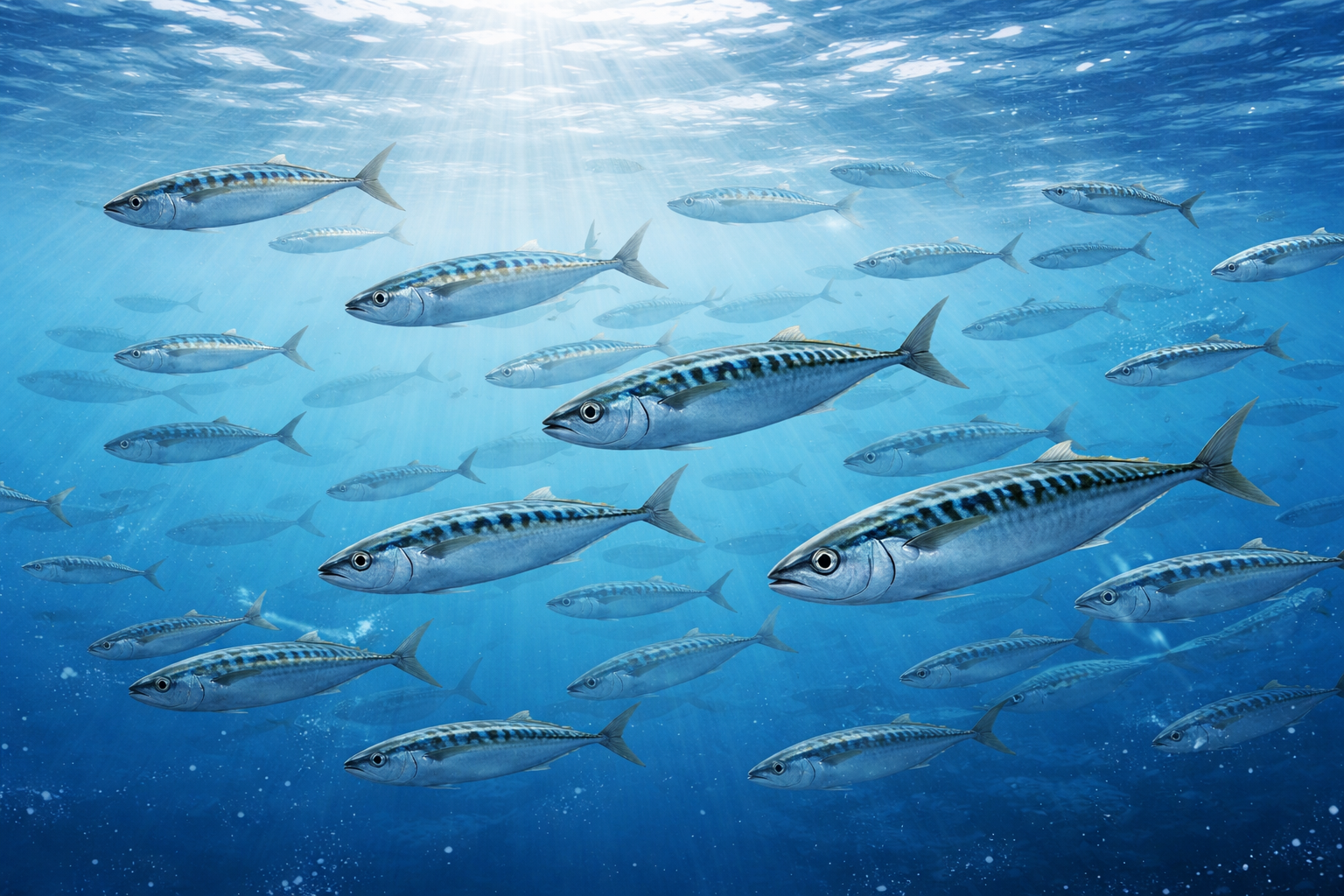
アイスランド海域のサバ密度が2025年を上回る
Mackerel Density in Icelandic Waters Exceeds 2025 Levels
アイスランド海洋淡水研究所(Hafrannsóknastofnun – Rannsóknastofnun hafs og vatna)の発表によると、調査船「Árni Friðriksson」は7月7日から30日にかけて毎年実施されている北大西洋の国際浮魚資源調査に参加し、アイスランド周辺からJan Mayen北方まで約9,000kmを航行してサバ、ニシン、ブルーホワイティングの資源状況を調査した。
速報値によると、アイスランド漁業水域におけるサバの資源密度は2025年を上回ったものの、2024年以前の数年間よりは低い水準となった。サバは東部海域とJan Mayen南方で確認され、西部および南西部ではほとんど分布が見られなかった。漁獲されたサバは平均全長40cm、平均体重613gと大型魚が主体であった。
ブルーホワイティングはアイスランド東部・南部・西部の大陸棚縁辺部に広く分布し、資源密度は2025年と同程度ながら、それ以前の数年間を上回る水準となった。東部では成魚が中心で、南部や西部では今年生まれの0歳魚や1歳魚も多く確認され、例年より分布域の広がりが目立った。
一方、ノルウェー・アイスランド系春産卵ニシンは例年どおりアイスランド北部および東部海域に分布していた。
また、アイスランド北部やJan Mayen南方では表層水温が2025年より高く、この海況が前年より多くのサバやニシンが確認された要因の一つと考えられている。各国調査船のデータを統合した最終結果は9月に公表される予定である。
According to the Icelandic Marine and Freshwater Research Institute (Hafrannsóknastofnun – Rannsóknastofnun hafs og vatna), the research vessel Árni Friðriksson completed its annual international pelagic ecosystem survey from July 7 to July 30, covering approximately 9,000 km around Iceland and north of Jan Mayen. The survey focused on the distribution and abundance of mackerel, herring, and blue whiting.
Preliminary results indicate that mackerel density within Icelandic waters was higher than in 2025, although it remained below the levels recorded in the preceding years. Mackerel were mainly observed east of Iceland and south of Jan Mayen, while virtually none were found west or southwest of the country. The fish were relatively large, averaging 40 cm in length and 613 g in weight.
Blue whiting showed an unusually wide distribution along the continental shelf edges east, south, and west of Iceland. Overall abundance was similar to 2025 but exceeded that of previous years. Adult fish dominated catches in eastern waters, while juvenile fish from this year’s spawning, together with one-year-old fish, were common in southern and western areas.
Norwegian spring-spawning herring were again concentrated north and east of Iceland, consistent with observations in recent years.
Researchers also recorded higher surface water temperatures north of Iceland and south of Jan Mayen compared with the summer of 2025. These warmer conditions may have contributed to the greater abundance of mackerel and herring observed during this year’s survey. The combined results from research vessels operated by Iceland, Norway, the Faroe Islands, and Denmark will be analyzed in mid-August, with the final report scheduled for release in September.