カペリンを追ってクジラが北上、東グリーンランドで進む海洋生態系の変化
Whales Follow Capelin Northward: Marine Ecosystem Changes in East Greenland
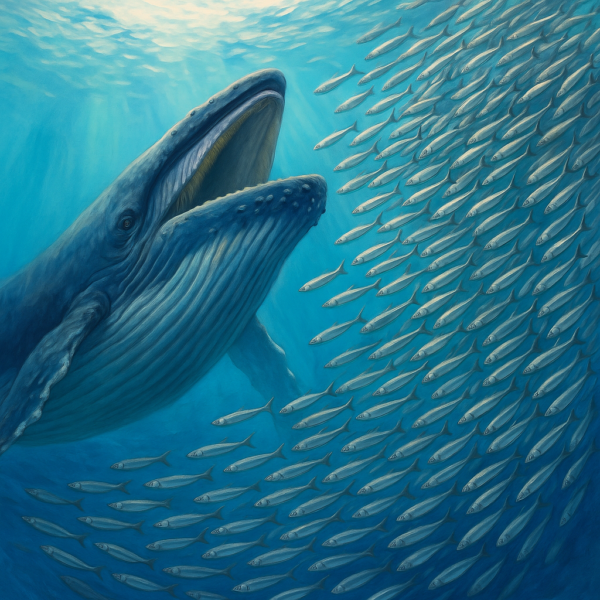
GoArcticが2026年8月21日に報じたところによると、東グリーンランド沖では近年、ナガスクジラ、ザトウクジラ、ミンククジラなど数千頭のヒゲクジラが集まり、カペリンやオキアミを大量に捕食する新たな餌場が形成されている。
研究者らが2015年と2024年の航空調査や衛星画像、船舶からの観測データなどを分析した結果、東グリーンランド沖では約6,000頭のナガスクジラ、約4,000頭のザトウクジラ、約6,000頭のミンククジラが確認された。ミンククジラについては2015年から約2倍に増加しているという。
研究チームの推計では、これらのクジラが7月から10月までの4カ月間に消費するカペリンとオキアミは、合計で約100万トンに達する。この規模は、北大西洋の一部海域におけるカペリンの年間漁獲量にも匹敵する。
背景にあると考えられているのが、海水温の上昇と海氷の後退である。これまでより南側に分布していたカペリンなどの魚類が北へ移動し、それを追ってクジラも東グリーンランド沖へ進出している。
研究者らは、この変化を北極圏の「ボレアリゼーション(borealization)」の一例とみている。温暖化に伴って南方系の魚類や生物が北へ分布を広げ、北極圏の生態系そのものが、より大西洋的な構造へ変化しているという。
特に注目されるのがカペリン資源への影響である。カペリンはクジラにとって重要な餌である一方、アイスランド、ノルウェー、ロシア、グリーンランドなど北大西洋地域にとって重要な漁業資源でもある。
東グリーンランドにおけるクジラの増加が一時的な現象ではなく定着した場合、今後のカペリン資源評価では、人間による漁獲だけでなく、クジラによる捕食量についてもこれまで以上に考慮する必要が出てくる可能性がある。研究者らは、カペリンの漁獲枠や漁場の設定を含め、新たな資源管理モデルが必要になる可能性を指摘している。
引用・参考:
GoArctic, 21 August 2026
「Акватория Восточной Гренландии стала кормушкой для тысяч китов, которые съедают столько мойвы, что угрожают арктическому рыболовству」
According to GoArctic on August 21, 2026, thousands of baleen whales, including fin whales, humpback whales, and minke whales, are now gathering off East Greenland, where a new major feeding ground for capelin and krill has emerged.
Researchers analyzed aerial surveys conducted in 2015 and 2024, together with satellite images and ship-based observations. They estimated that around 6,000 fin whales, 4,000 humpback whales, and 6,000 minke whales are now feeding in the waters off East Greenland. The number of minke whales has roughly doubled since 2015.
According to the research team, these whales consume an estimated 1 million tonnes of capelin and krill during the four-month period from July to October. This is comparable to the annual capelin catch in some fishing areas of the North Atlantic.
Rising ocean temperatures and retreating sea ice are believed to be behind this change. Capelin and other fish that were previously distributed farther south have been moving northward, and whales have followed them into the waters off East Greenland.
Researchers see this as an example of the “borealization” of the Arctic. As the climate warms, fish and other marine organisms from more southerly waters are expanding northward, gradually changing the Arctic marine ecosystem into one with stronger Atlantic characteristics.
Of particular interest is the potential impact on capelin stocks. Capelin are an important food source for whales, but they are also a commercially important fishery resource for North Atlantic countries, including Iceland, Norway, Russia, and Greenland.
If the growing presence of whales in East Greenland is not temporary but becomes a permanent feature, future assessments of capelin stocks may need to take greater account of whale predation as well as commercial fishing. Researchers suggest that new approaches to fisheries management may eventually be needed, including possible changes to capelin quotas and fishing areas.
Source:
GoArctic, August 21, 2026
“Акватория Восточной Гренландии стала кормушкой для тысяч китов, которые съедают столько мойвы, что угрожают арктическому рыболовству”