カペリン禁漁継続へ バレンツ海2026年漁業協定と資源管理の行方
No Capelin Fishery in 2026: Barents Sea Fisheries Agreement Focuses on Sustainability
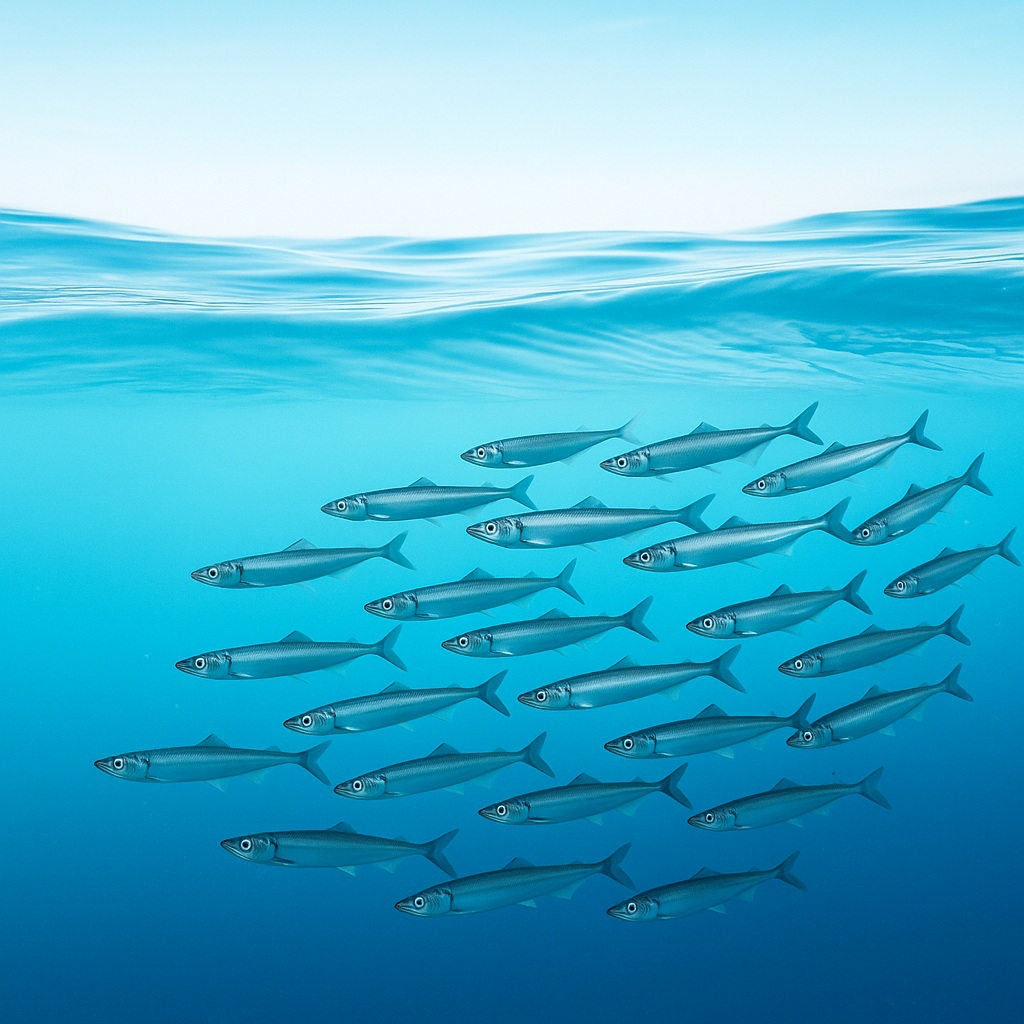
2026年もバレンツ海におけるカペリン漁は実施されないことが正式に確認された。ノルウェーとロシアは、2026年の漁業管理をめぐる協議で合意に達し、資源回復を最優先とする管理方針を維持することとなった。
今回の協議では、タラ、ハドック、カペリン、カラスガレイ、アカウオといった、バレンツ海で両国が共同管理する主要魚種の漁獲枠設定が焦点となっていた。交渉は本来10月に行われるが、今年はロシア漁業企業に対する制裁措置や、それに伴う港湾利用制限・操業許可をめぐる対立の影響で大幅に遅れ、例年以上に難航した。
とりわけ注目されていたカペリンについては、ノルウェー海洋研究所(HI)が資源量の歴史的低水準を理由に、2026年もゼロ漁獲(禁漁)を勧告していた。2025年の生態系調査では、主要な摂餌域におけるカペリン量が極めて少なく、産卵親魚量は1995年以来で最も低い水準と評価されている。寿命が短く資源変動の大きいカペリンは、未成魚が少ないことから回復に時間を要するとされ、2027年の漁業再開も難しいとの見方が示されていた。今回の合意は、こうした科学的勧告を踏まえた判断といえる。
協定の中心となるタラについては、2026年の漁獲枠が1991年以来で最も低い水準に設定された。これは長年続く減枠の延長ではあるものの、資源回復を最優先とし、将来的な資源増加と漁獲枠回復への基盤づくりを目的としている。2025年から2026年にかけて、漁獲圧は大きく低下する見通しだ。
一方で、ハドックは増枠、カラスガレイは据え置き、アカウオは小幅増となった。両国はまた、ノルウェー海洋研究所(Havforskningsinstituttet)とロシアのVNIROによる共同研究を継続し、国際的に認められた手法に基づく資源評価と科学的助言を引き続き行うことでも合意している。
政治的に難しい状況下で成立した今回の協定は、短期的な漁獲よりも資源回復と長期的な持続可能性を重視する姿勢を明確に示すものであり、バレンツ海の生態系と漁業の将来を左右する重要な節目となった。
ノルウェー政府公式発表
https://www.regjeringen.no/no/aktuelt/enighet-om-norsk-russisk-fiskeriavtale-for-2026/id3143864/
It has now been officially confirmed that there will be no capelin fishery in the Barents Sea in 2026. Norway and Russia have reached an agreement on fisheries management for the year, reaffirming their commitment to prioritizing stock recovery and long-term sustainability in northern waters.
The negotiations focused on setting catch limits for key jointly managed stocks in the Barents Sea, including cod, haddock, capelin, Greenland halibut, and redfish. Normally held in October, the talks were significantly delayed this year due to sanctions targeting Russian fishing companies, as well as disputes over port access and fishing permits for sanctioned vessels. As a result, negotiations proved more challenging than in previous years.
Capelin was one of the most closely watched stocks. The Norwegian Institute of Marine Research (HI) had recommended a zero catch for 2026, citing historically low stock levels. Ecosystem surveys conducted in 2025 showed extremely low capelin abundance in key feeding areas, with spawning stock biomass assessed at its lowest level since 1995. Given capelin’s short lifespan and high natural variability, scientists warned that recovery would take time, and that a reopening of the fishery in 2027 is also unlikely. The decision to maintain a zero quota reflects these scientific recommendations.
At the center of the agreement is cod, for which the 2026 quota has been set at its lowest level since 1991. While this continues a trend of significant quota reductions, the measure is intended to reduce fishing pressure and support rebuilding of the stock, laying the groundwork for future recovery. Fishing pressure is expected to decline substantially from 2025 to 2026.
Meanwhile, the haddock quota has been increased, the Greenland halibut quota remains unchanged, and the redfish quota has seen a modest increase. Norway and Russia also agreed to continue their close research cooperation, with the Institute of Marine Research (Havforskningsinstituttet) and Russia’s VNIRO conducting joint stock assessments based on internationally recognized scientific methodologies.
Concluded under politically challenging circumstances, the 2026 fisheries agreement clearly prioritizes stock recovery over short-term catches and represents an important step toward safeguarding the Barents Sea ecosystem and its fisheries for future generations.
Official announcement from the Norwegian Government
https://www.regjeringen.no/no/aktuelt/enighet-om-norsk-russisk-fiskeriavtale-for-2026/id3143864/