ノルウェーで大型鯨類の捕獲再開論 カペリン・ニシンを大量捕食し漁業と競合
Norway Debates Resuming Hunting of Large Whales as Humpbacks and Orcas Compete for Capelin and Herring
ノルウェーの全国紙Klassekampenによると、ノルウェー北部MåsøyのIngrid Majala町長が、現在のミンククジラだけでなく、ザトウクジラなど大型鯨類についても商業捕獲の再開を検討すべきだと提案している。
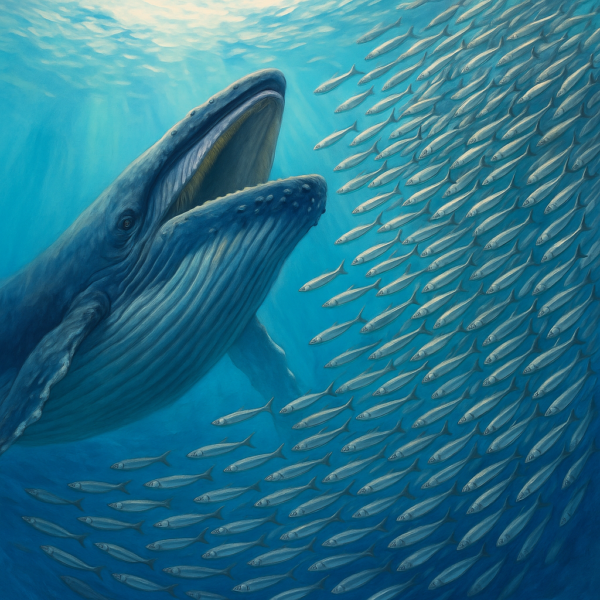
背景にあるのは、北ノルウェー沿岸に集まる大型鯨類による魚類の捕食だ。
Majala町長によると、毎年秋から冬にかけて、多数のザトウクジラが数百頭のシャチとともに現れ、ニシン、カペリン、その他の魚を大量に捕食しているという。
町長は、これを漁業者との「資源を巡る競争」と捉えており、ノルウェー海洋研究所(Havforskningsinstituttet)に対して、大型鯨類についても持続可能な捕獲が可能かどうか検討するよう求めている。
現在ノルウェーで商業捕鯨の対象となっているのはミンククジラだけだが、Majala町長は、ザトウクジラのほか、シャチやアザラシについても商業捕獲の可能性を検討すべきだとしている。
背景には水産資源だけでなく、北ノルウェーの沿岸地域が抱える経済問題もある。
現在、タラ資源が減少しており、地域には余剰となっている漁業・加工能力がある。Majala町長は、捕鯨を再開することで、沿岸地域に新たな漁業・加工需要を生み出せる可能性があると考えている。
さらに、Måsøyの行政中心地Havøysundに鯨の受け入れ・加工施設を整備し、ノルウェー政府が国際的に鯨肉の輸出市場拡大に取り組むことも提案している。
一方、Havforskningsinstituttetの海洋哺乳類研究者Martin Biuwは、資源量や生物学的な観点だけを見れば、ミンククジラと同様の資源管理モデルを使うことを前提として、ザトウクジラなど一部の大型鯨類について捕獲の可能性を検討する余地はあるとしている。
ただし、持続可能な捕獲量を科学的に評価するには時間が必要であり、それ以上に大きな問題として「市場」を挙げている。
現在、世界的に鯨肉の需要がどの程度存在するのか明確ではなく、輸出市場がなければ大型鯨類を捕獲しても経済的な意味は乏しいという指摘だ。
Marianne Sivertsen Næss漁業・海洋大臣も慎重な姿勢を示している。
大臣は、海洋生態系は非常に複雑であり、「鯨を減らせば、その分だけ漁業者が利用できる魚が増える」という単純な関係ではないと指摘している。現時点で研究者は、鯨類の資源量を減らすことで商業魚種の資源量が増加すると科学的に断定することはできないとしている。
今回の議論で興味深いのは、北大西洋の水産資源を考えるうえで、漁獲量だけではなく、鯨類を含む捕食者による消費量についても改めて注目が集まっている点だ。
特にカペリンやニシンは、タラ、海鳥、鯨類など多くの捕食者を支える北大西洋・北極海の生態系における重要な餌資源でもある。
したがって、カペリンの資源量や将来の漁獲可能量を考える際にも、人間による漁獲だけを見るのではなく、鯨類を含めた生態系全体の捕食圧をどのように評価するかは重要なポイントになる。
もちろん、「鯨が魚を食べるから鯨を減らせば漁獲量が増える」という単純な話ではない。
しかし今回、実際に北ノルウェーの漁業地域から「鯨類と漁業との資源競合」という問題提起が出てきたことは、今後のカペリン、ニシン、タラなど北大西洋の資源管理を考えるうえでも興味深い動きだ。
出典:Klassekampen
「Ordfører vil fange større hval」
2026年10月5日
リンク先:
https://klassekampen.no/artikkel/2026-10-05/ordforer-vil-fange-storre-hval/tG5M
According to the Norwegian national newspaper Klassekampen, Ingrid Majala, mayor of Måsøy in northern Norway, has proposed considering the resumption of commercial hunting of large whales, including humpback whales, in addition to the minke whale currently hunted in Norway.
Behind the proposal is growing concern over the amount of fish consumed by large whales gathering along the coast of northern Norway.
According to Majala, large numbers of humpback whales appear every autumn and winter together with hundreds of orcas, consuming substantial quantities of herring, capelin and other fish.
She views this as competition for marine resources between whales and the fishing fleet and has called on Norway’s Institute of Marine Research (Havforskningsinstituttet) to examine whether sustainable hunting of large whales could be possible.
At present, the minke whale is the only marine mammal commercially hunted in Norway. Majala believes that hunting could also be considered for the much larger humpback whale, while the possibility of commercial harvesting of species such as orcas and seals should also be examined.
The proposal is not only about fish resources. It is also closely linked to the economic situation facing coastal communities in northern Norway.
With the cod stock currently at a low level, there is unused fishing and processing capacity in the region. Majala argues that renewed whaling activity could generate additional economic activity for coastal communities such as Måsøy.
She has also suggested that Havøysund, the administrative centre of Måsøy, could serve as a location for receiving and processing whales. At the same time, she wants Norway to work internationally to expand export markets for whale meat.
However, there are significant obstacles.
Martin Biuw, a senior scientist at the Institute of Marine Research who specializes in marine mammals, says that from a purely biological and stock-management perspective, it might be possible to consider hunting certain large whale species, including humpback whales, provided that the same type of management model used for minke whales is applied.
Any such system would first have to demonstrate that the population could sustain regulated harvesting, and establishing this would take time.
Another major issue is the market.
It remains unclear whether there is sufficient international demand for whale meat. Without viable export markets, Biuw argues that there would be little economic rationale for hunting large whales.
Norway’s Minister of Fisheries and Ocean Policy, Marianne Sivertsen Næss, has also taken a cautious position.
She points out that marine ecosystems are extremely complex and that increasing whale hunting would not necessarily result in more fish becoming available to commercial fishermen.
According to the minister, marine scientists currently cannot conclude that reducing whale populations would lead to larger commercially important fish stocks.
Nevertheless, one particularly interesting aspect of this debate is the renewed attention being given to the amount of fish consumed by marine predators when assessing North Atlantic fish stocks.
Capelin and herring, in particular, are key forage species in North Atlantic and Arctic marine ecosystems, supporting predators including cod, seabirds and whales.
When considering future capelin abundance and potential fishing opportunities, it is therefore important to look not only at commercial catches but also at predation and the broader ecosystem as a whole.
Of course, the relationship is not as simple as saying that fewer whales would automatically mean more fish available for fishermen.
However, the fact that a fishing community in northern Norway is now openly raising the issue of competition between whales and commercial fisheries is noteworthy. It could become an increasingly relevant part of the wider discussion over the future management of capelin, herring, cod and other important North Atlantic fish stocks.
Source:
Klassekampen
“Ordfører vil fange større hval”
October 5, 2026
Original article:
https://klassekampen.no/artikkel/2026-10-05/ordforer-vil-fange-storre-hval/tG5M