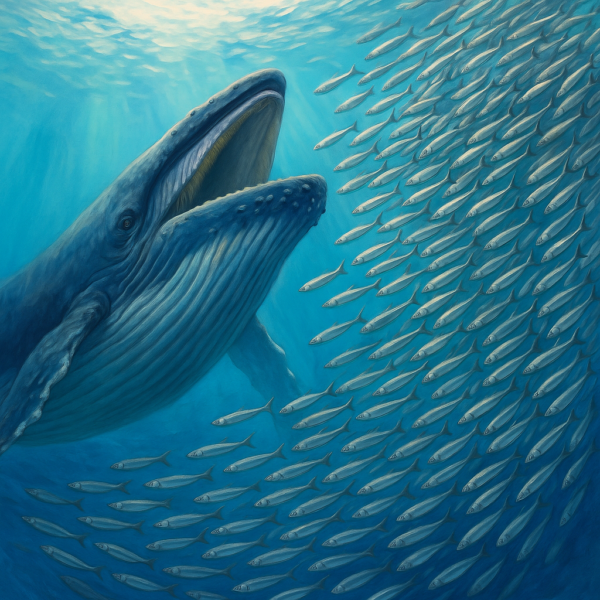
海洋哺乳類が年間2510万トン捕食、サバ資源管理への影響を議論
Marine Mammals Consume 25.1 Million Tonnes of Prey Annually, Raising Questions for Mackerel Stock Management
Pelagisk Foreningの発表によると、Havforskningsinstituttet(ノルウェー海洋研究所)の研究者らが主導した研究では、アイスランド周辺海域、グリーンランド海・ノルウェー海、バレンツ海の海洋哺乳類が年間約2,510万トンの餌生物を消費していると推定された。同じ海域で漁業が漁獲する約416万トンの約6倍に相当する。ただし、海洋哺乳類にはクジラだけでなくアザラシやネズミイルカも含まれ、餌にはオキアミ、イカ、非商業魚種なども含まれる。
Pelagisk Foreningは、特にサバ資源が危機的な水準まで減少する中、海洋哺乳類による捕食が資源評価モデルや漁獲勧告にどのように反映されているのか、より明確にする必要があると指摘している。ICESは2026年の北東大西洋サバの漁獲量を最大17万4,357トンと勧告し、2025年から70%削減した。一方、Havforskningsinstituttetはサバ資源減少の背景として、過去10年間の低~中程度の加入と過剰な漁獲圧を挙げており、クジラだけが最近の資源減少や漁獲枠削減の原因とはしていない。
ノルウェーでは2025年に429頭のミンククジラを捕獲したのに対し、漁獲枠は1,406頭だった。2026年の漁獲枠は1,641頭に引き上げられている。実際の捕獲量は資源状況だけでなく、捕獲能力、採算性、市場需要にも左右されている。
日本はノルウェー産クジラ肉の重要な輸出市場で、2023年には約352トン、約3,200万ノルウェークローネ相当が輸出された。Pelagisk Foreningは8月10日のArendalsukaで、海洋哺乳類による捕食がサバやノルウェー春産卵ニシンなどの資源管理にどの程度影響するのか、研究者や政府関係者らと議論する予定である。同団体は、年間2,510万トンという数字は捕鯨を増やせば自動的に漁業資源が増えることを意味するものではなく、より正確なデータと透明性の高い資源評価モデルが必要だとしている。
According to Pelagisk Forening, a study led by researchers at Norway’s Institute of Marine Research estimates that marine mammals consume around 25.1 million tonnes of prey annually in Icelandic waters, the Greenland and Norwegian Seas, and the Barents Sea. This is about six times the estimated 4.16 million tonnes removed by fisheries in the same regions. However, the figure includes seals and porpoises as well as whales, while prey includes krill, squid and non-commercial fish species.
Pelagisk Forening is calling for greater transparency over how marine mammal predation is incorporated into stock assessments and catch advice, particularly as the Northeast Atlantic mackerel stock has fallen to a critical level. ICES advised a maximum mackerel catch of 174,357 tonnes for 2026, 70% below its 2025 advice. The Institute of Marine Research has also pointed to a decade of low-to-medium recruitment and excessive fishing pressure, meaning whale predation alone cannot explain the recent decline.
Norway caught 429 minke whales in 2025 against a quota of 1,406 animals, while the 2026 quota has been increased to 1,641. Actual catches are influenced not only by stock conditions but also by catching capacity, profitability and market demand.
Japan remains an important export market for Norwegian whale meat, receiving around 352 tonnes worth approximately NOK 32 million in 2023. Pelagisk Forening will raise the issue at Arendalsuka on August 10, focusing on how marine mammal predation affects the management of mackerel, Norwegian spring-spawning herring and other fish stocks. The association stresses that the 25.1-million-tonne estimate does not mean increased whaling would automatically result in more fish for fisheries, but argues that better data and more transparent stock assessment models are needed.