Sasabo blog

統計データから水産物貿易の世界を解析
Analyzing the world of seafood trade through statistical data.

EU、科学勧告を無視しサバ過剰漁獲を容認
EU Approves Excessive Mackerel Fishing Despite Scientific Advice

Mar. 31, 2026

欧州連合は北東大西洋におけるサバの漁獲枠を引き上げ、科学者の勧告から逸脱する決定を下した。この背景には、イギリス、ノルウェー、アイスランド、フェロー諸島などEU外の沿岸国が設定した漁獲量に合わせる動きがあった。

科学者によれば、サバ資源は深刻な減少局面にあり、過剰漁獲は資源の存続そのものを脅かす状況にある。産卵親魚のバイオマスは2014年の約1300万トンから、2025年には300万トン未満にまで落ち込んでいる。

もともとEUは2025年に向けて、国際的な科学機関の助言に従い大幅な漁獲削減(約70%)を決定していた。しかし沿岸国との交渉が進展しなかったことを受け、最終的には削減幅を約48%に縮小し、他国と同様の水準へと方針転換した。

一方で、アイスランド、イギリス、ノルウェー、フェロー諸島は2024年末にサバ資源の分配について合意し、アイスランドの割当も初めて正式に認められた。ただし、この合意でも総漁獲量は科学的勧告を上回っており、持続可能性に疑問が呈されている。

さらにEU内部では、こうした状況が市場競争の公平性を損なうとの懸念も出ている。EUの漁業関係者は、過剰漁獲を行う国々がEU市場に製品を輸出していることに不満を示している。

今回の決定は、科学的管理と国際的な利害調整の間で揺れる漁業政策の難しさを浮き彫りにしている。

リンク:
https://heimildin.is/grein/26419/evropusambandid-samthykkir-ofveidi-a-makril/


EU Approves Excessive Mackerel Fishing
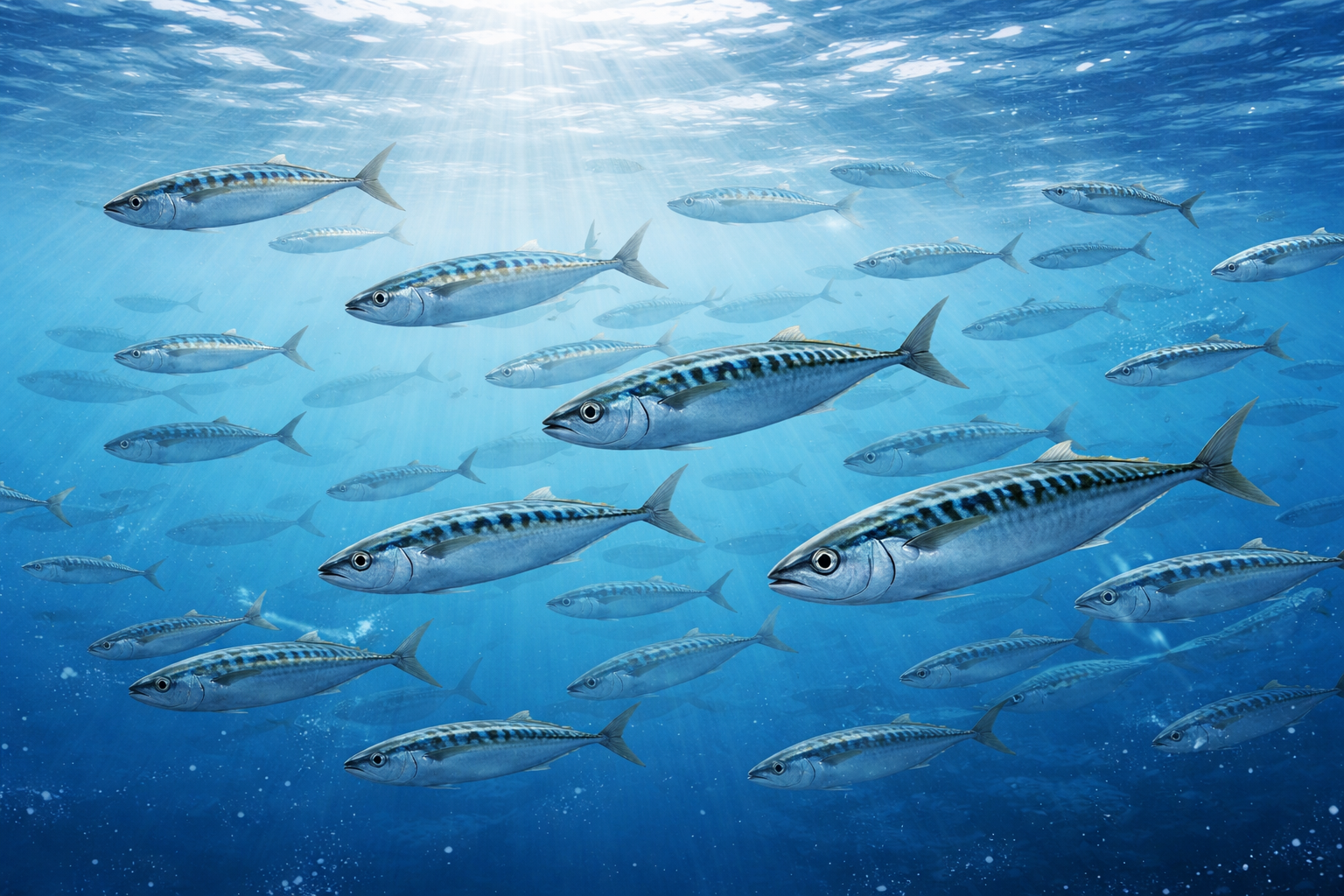
The European Union has decided to increase the fishing quota for mackerel in the Northeast Atlantic, deviating from scientific recommendations. This decision comes amid pressure to align with quotas set by coastal states outside the EU, including the United Kingdom, Norway, Iceland, and the Faroe Islands.

According to scientists, mackerel stocks are in serious decline, and overfishing poses a direct threat to their sustainability. The spawning stock biomass has dropped dramatically from approximately 13 million tonnes in 2014 to less than 3 million tonnes by 2025.

Originally, the EU had planned a significant reduction in catches—around 70%—in line with advice from international scientific bodies for 2025. However, due to a lack of progress in negotiations with coastal states, the EU ultimately reduced the cut to about 48%, shifting toward a level similar to other countries.

Meanwhile, Iceland, the United Kingdom, Norway, and the Faroe Islands reached an agreement at the end of 2024 on the allocation of mackerel stocks, with Iceland’s quota formally recognized for the first time. However, even this agreement exceeds scientific recommendations, raising concerns about long-term sustainability.

Within the EU, there are also concerns that this situation undermines fair competition in the market. Fisheries stakeholders have expressed frustration that countries engaging in overfishing continue to export their products to the EU market.

This decision highlights the ongoing tension between science-based management and the political realities of international fisheries negotiations.

Link:
https://heimildin.is/grein/26419/evropusambandid-samthykkir-ofveidi-a-makril/